Getting a new floor can seem surprisingly affordable when you first look at installation prices. You might see an advertisement offering flooring installation for $2 per square foot and think you've found a great deal.
But there's a catch.
That $2 per square foot may cover only the most basic installation labor. Once the project starts, additional costs for removing your old flooring, moving furniture, trimming doors, installing transitions, preparing the subfloor, and finishing stairs can quickly push the final bill much higher.
Before you sign a flooring installation contract, it's important to understand what you're actually paying for.
Here are five common hidden flooring installation costs that homeowners should ask about before work begins.
1. Furniture Moving and Door Trimming
Your installer needs a clear workspace before installing new flooring. If you haven't moved your furniture yourself, the contractor may charge an additional fee for doing it.
Depending on the installer and the amount of furniture involved, moving items can cost around $25–$75 per room.
Doors can create another unexpected expense. New flooring may sit higher or lower than your existing floor, which can require doors to be trimmed so they open and close properly.
Door undercutting or trimming can cost approximately $10–$25 per door.
How to save money
If possible, move your furniture before the installers arrive. Also ask the contractor in advance:
"Is furniture moving included in the installation price?"
Knowing this beforehand can prevent an unexpected charge on your final invoice.
2. Transitions, Trim and Molding
Installing a new floor isn't just about putting planks or tiles on the ground.
Your installer may need transition strips where two different flooring materials meet. You may also need quarter round, shoe molding, baseboards, or other finishing materials.
A single transition strip might cost roughly $18–$35, and several transitions throughout a home can quickly add up.
Baseboards can create another issue. If existing molding has to be removed, some pieces may crack or break. Replacing them can become an additional material and labor expense.
That's why you should ask whether trim, molding, baseboards and transition pieces are included in the quote.
3. Removing Your Old Flooring
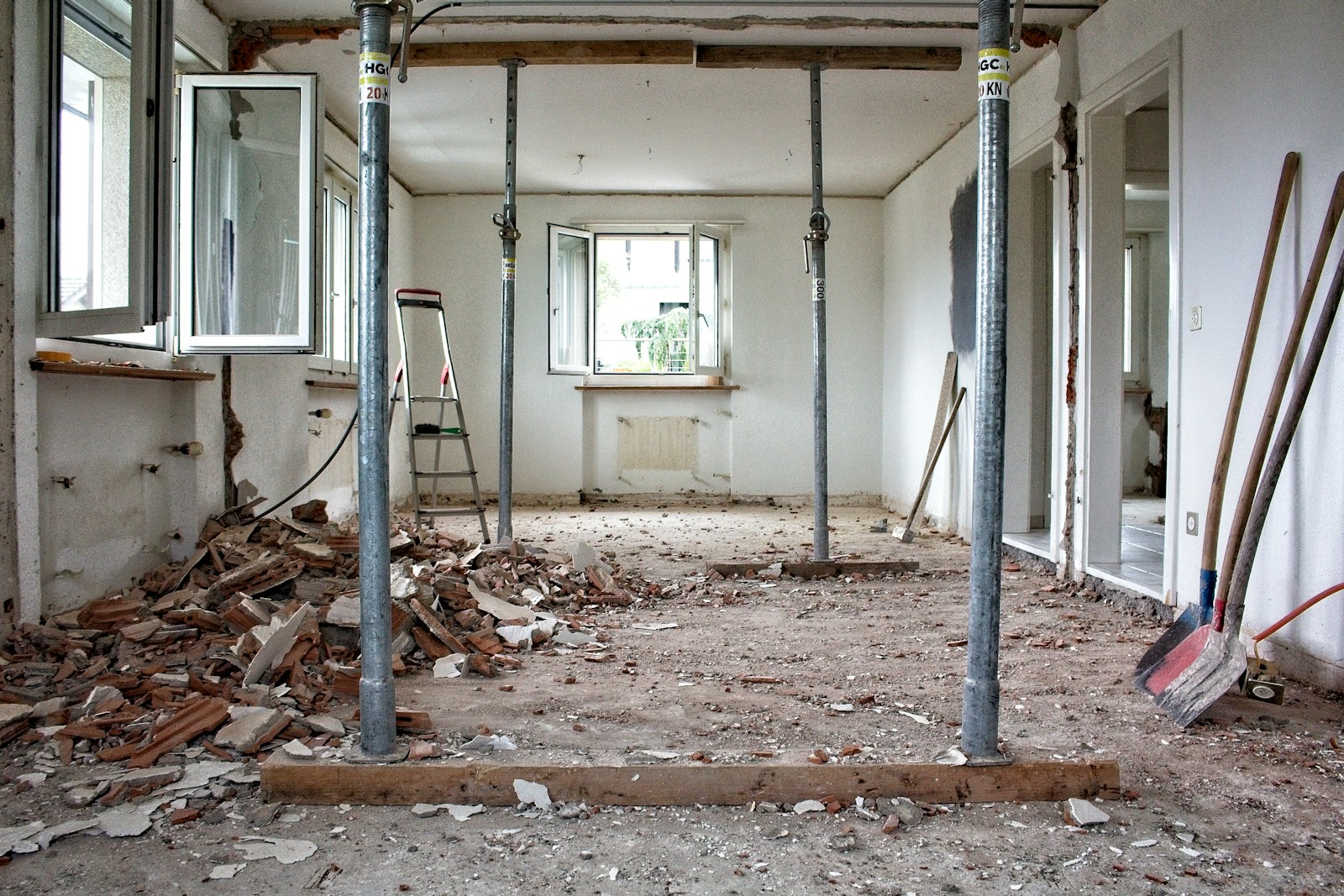
One of the biggest surprises for homeowners is discovering that flooring installation doesn't necessarily include removing the old floor.
Installing luxury vinyl plank, laminate, hardwood or other flooring often requires the existing material to be removed first.
Carpet removal may be relatively inexpensive, but removing tile can be much more labor-intensive. Depending on the project, tile demolition can cost approximately $2–$7 per square foot.
And then there's the debris.
Old flooring has to go somewhere. Dumpster rental, transportation and disposal fees can add another layer of cost to the project.
Before hiring a flooring installer, ask:
"Does your quote include tear-out and disposal of my existing flooring?"
If it doesn't, get a separate price before signing the contract.
4. Stairs Can Dramatically Increase the Cost
Flooring estimates are usually calculated by square footage.
Stairs are different.
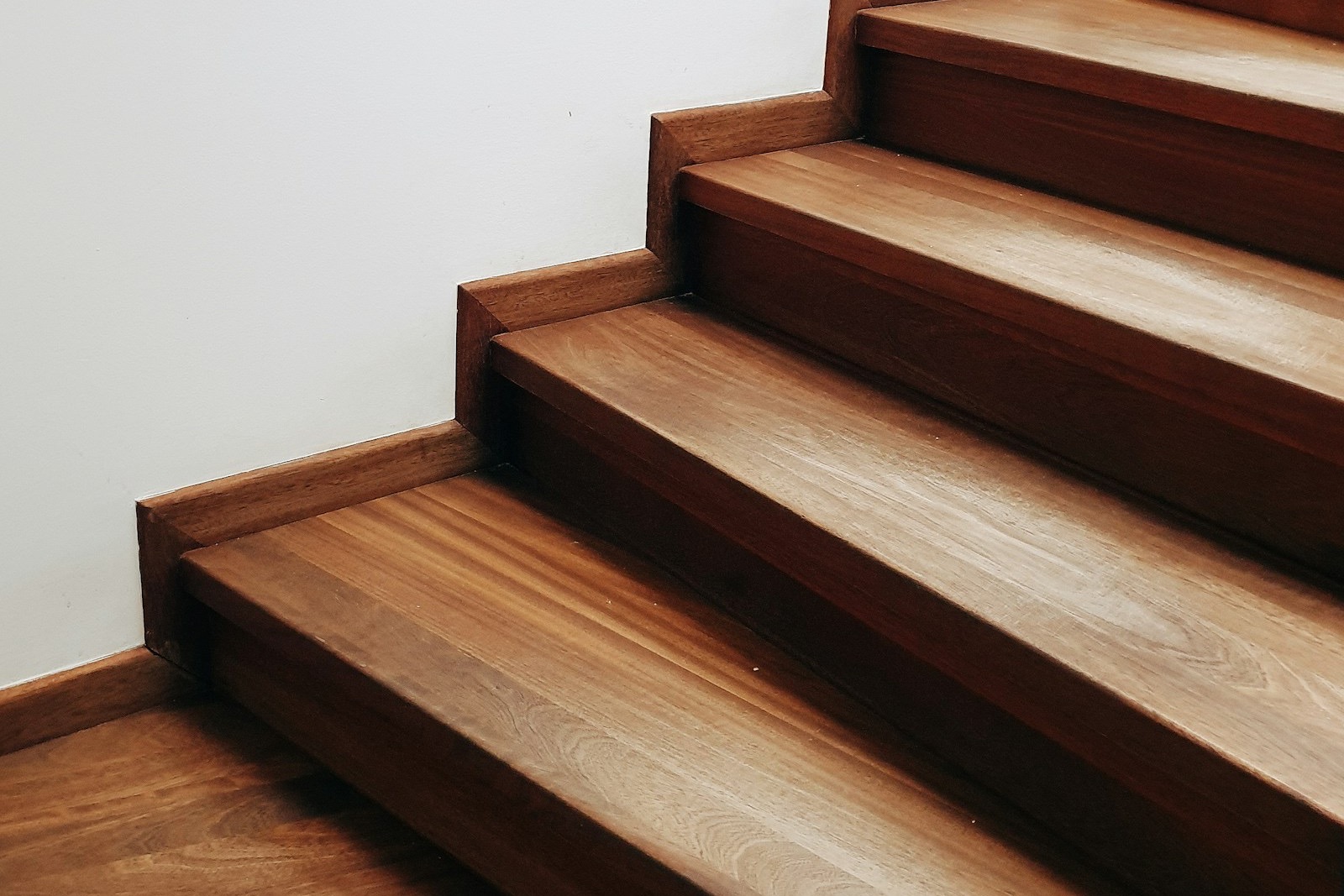
Stair installation is often priced per step, because each step requires additional cutting, fitting and finishing. Depending on the type of flooring and installation, specialized stair nosing can also be required.
A stair nosing piece alone can cost approximately $60–$90 per step, before considering additional labor and materials.
For a staircase with 12–15 steps, the additional cost can easily reach more than $1,000.
So if your flooring project includes stairs, don't assume they're covered by the same per-square-foot installation price.
Ask for a separate stair quote.
5. Subfloor Preparation: The Biggest Wild Card
This is where a seemingly inexpensive flooring project can become significantly more expensive.
Most modern flooring products require a reasonably flat surface. For many floating floor installations, the subfloor needs to meet the manufacturer's flatness requirements—often around 1/8 inch over 10 feet, although the exact requirement depends on the flooring product.
If the installer discovers an uneven subfloor after removing the old flooring, additional preparation may be required.
That could include:
- Floor leveling
- Grinding high spots
- Filling low areas
- Replacing damaged sections
- Repairing plywood or subflooring
- Moisture mitigation
- Additional underlayment
The problem is that phrases such as "subfloor prep if needed" or "leveling subject to conditions" don't tell you how much the work will actually cost.
That's where homeowners can get caught with a much larger final bill.
The Three-Question Flooring Quote Test
Before signing a flooring installation contract, ask these three questions.

Question 1: "Can you give me an itemized quote?"
Avoid estimates that simply say:
Flooring installation — $X,XXX
Instead, ask the contractor to break the estimate into individual components.
For example:
- Flooring materials
- Installation labor
- Tear-out
- Disposal
- Furniture moving
- Trim and transitions
- Stair installation
- Subfloor preparation
- Additional materials
An itemized quote makes it much easier to compare contractors and identify potential extra charges.
Question 2: "What is NOT included?"
This may be the most important question you ask.
Instead of focusing only on what's included, ask the contractor to identify everything that isn't.
For example:
"What could I be charged for after the project starts that isn't included in this quote?"
This gives the contractor an opportunity to explain potential costs for leveling, repairs, debris removal, furniture moving, door trimming and other unexpected work.
Question 3: "If it's needed, how much will it cost?"
Be careful with phrases such as:
- "If needed"
- "Subject to site conditions"
- "Additional prep may be required"
- "Price TBD after demolition"
- "Additional materials as necessary"
These aren't necessarily red flags—sometimes the contractor genuinely can't determine the condition of the subfloor until the existing flooring is removed.
But you can still ask for a price or pricing formula.
For example:
"If leveling is needed, what is your price per square foot?"
Or:
"If you find damaged subfloor, what is your labor and material rate for repairs?"
The goal is to avoid turning your flooring contract into a blank check.
Can You Save Money by Installing Flooring Yourself?
Possibly.
If you're comfortable with basic home improvement work and your subfloor is already flat and in good condition, installing click-together laminate or luxury vinyl plank flooring yourself can save a significant amount of labor cost.
Depending on the project, DIY installation could potentially save around $1.50–$4 per square foot in installation labor.
For a 1,000-square-foot project, that's potentially $1,500–$4,000 in labor savings.
However, DIY flooring isn't for everyone. Stairs, complicated layouts, extensive subfloor repairs and flooring that requires specialized installation may be better left to an experienced professional.
How to Compare Flooring Contractors
The cheapest quote isn't always the cheapest project.
A contractor offering $2 per square foot may ultimately cost more than a contractor offering $3 per square foot if the first estimate excludes tear-out, disposal, trim, stairs and subfloor preparation.
When comparing flooring contractors near you, look beyond the headline price.
Compare:
- What labor is included?
- Is old flooring removal included?
- Is disposal included?
- Are transitions included?
- Is baseboard or molding included?
- Are stairs priced separately?
- How is subfloor preparation charged?
- Are materials included?
- What happens if unexpected problems are discovered?
A detailed quote from the beginning can save you from an unpleasant surprise at the end.
Final Thoughts
A flooring project doesn't have to become a financial headache.
The key is understanding that the advertised installation price is often just the starting point. Furniture, doors, trim, tear-out, disposal, stairs and subfloor preparation can all affect the final cost.
Before hiring a flooring installer, get an itemized estimate, ask what isn't included, and put a clear price on potential additional work.
A good contractor should be comfortable explaining the numbers and helping you understand what you're paying for.
And if you're looking for a flooring professional for your next home improvement project, compare local contractors carefully, check their services and reviews, and make sure you understand the complete cost before work begins.