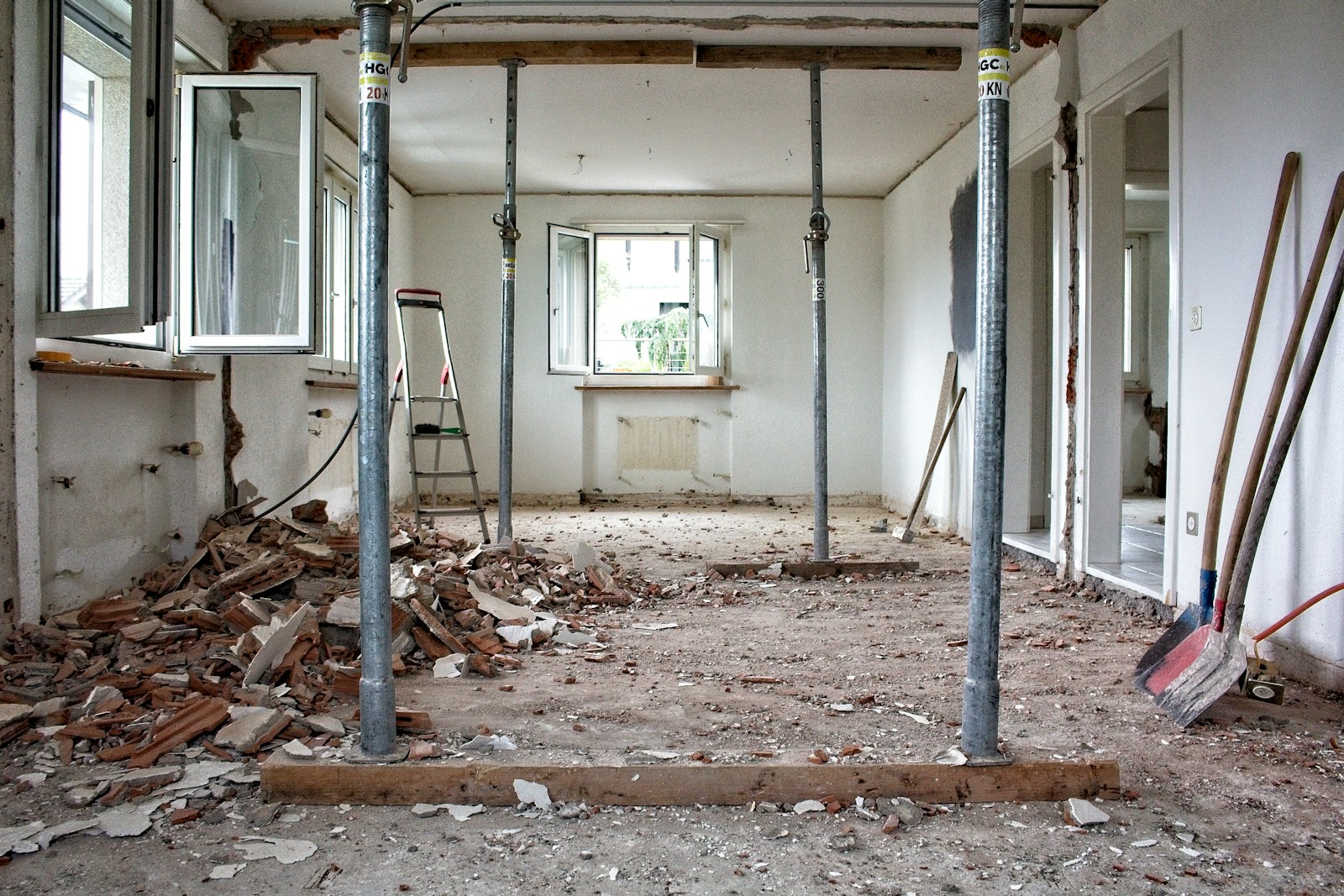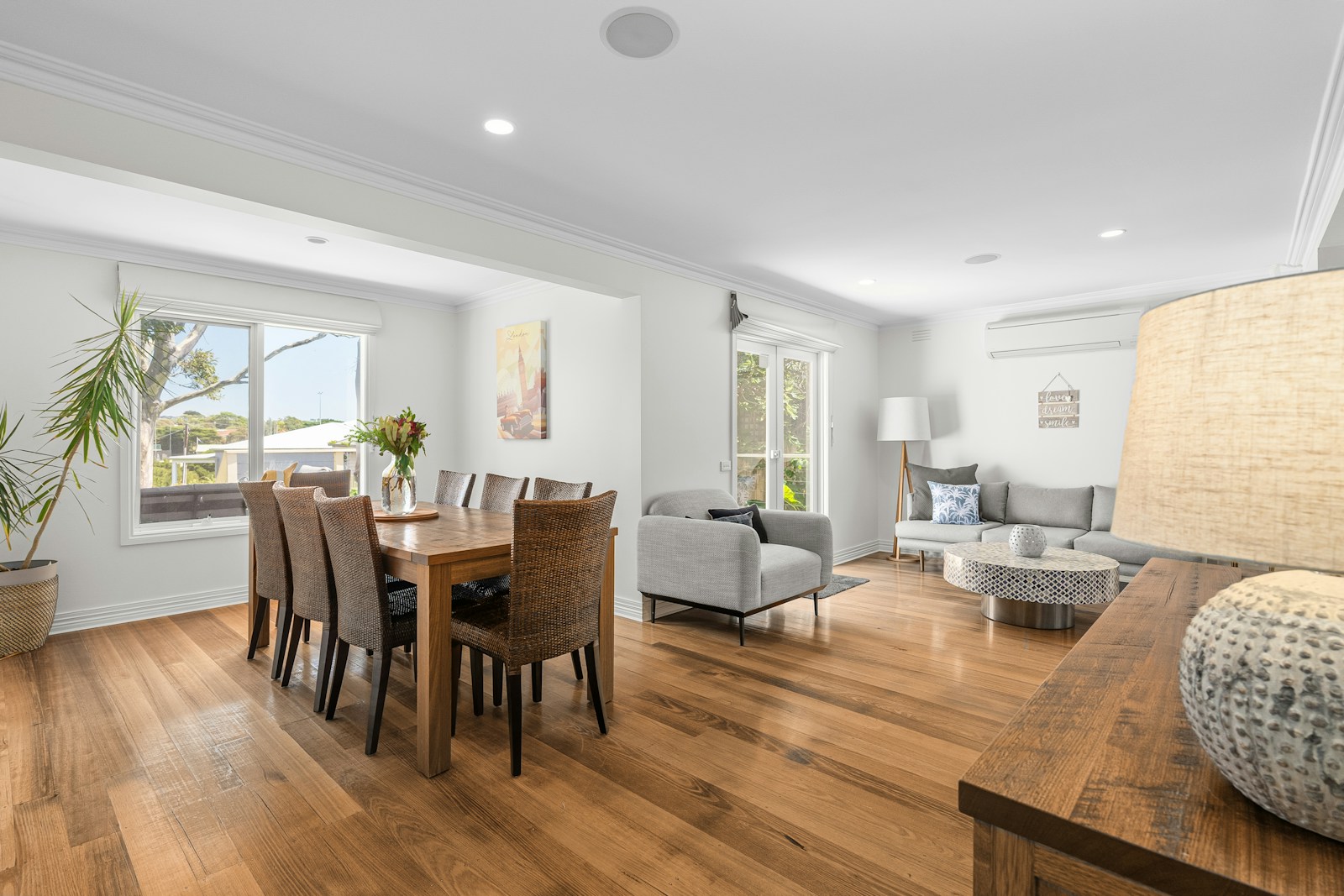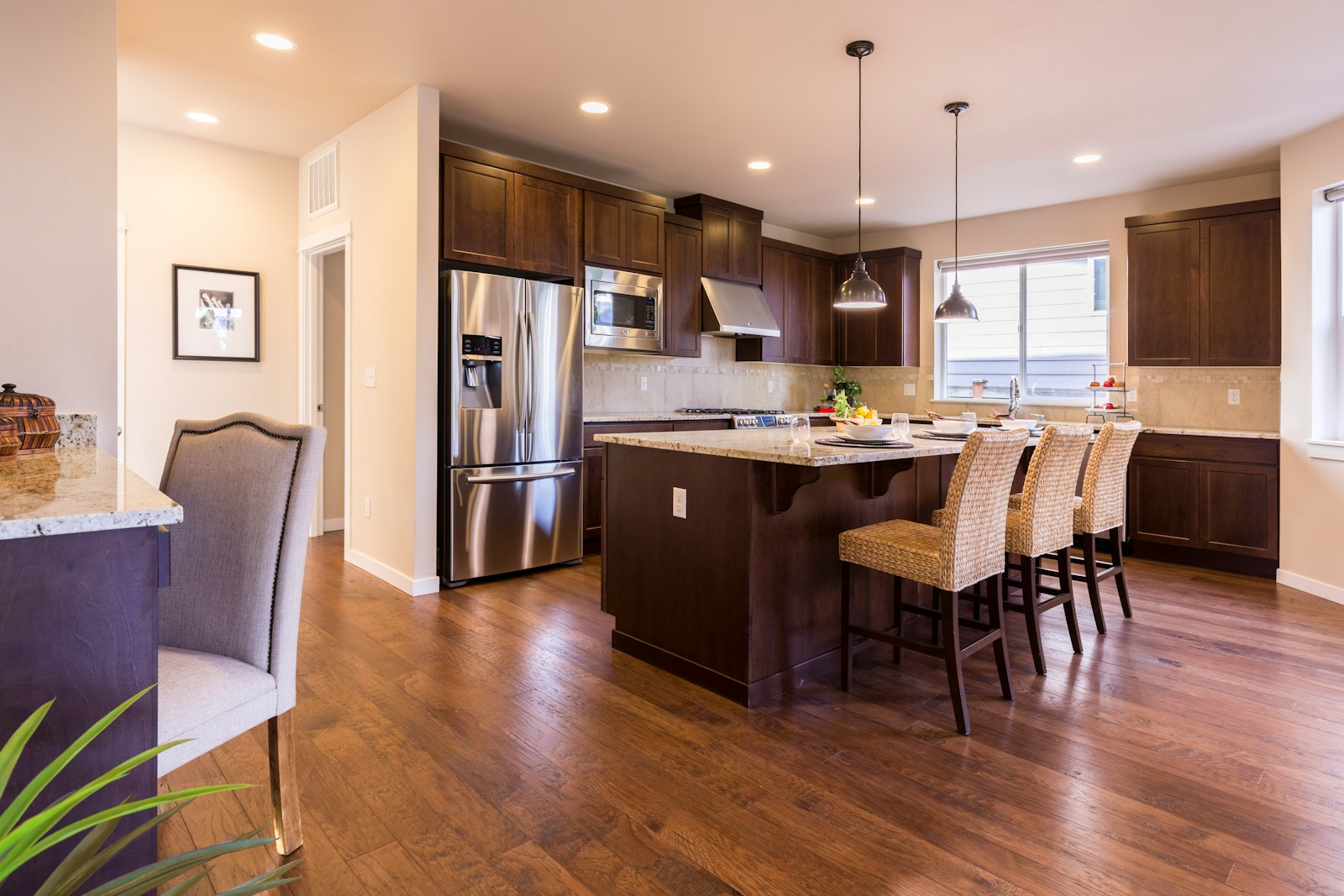
Flooring can completely change the look and feel of a home. In 2026, homeowners have more choices than ever, from sustainable materials and waterproof flooring to dramatic colors, textured surfaces, and large-format designs.
Whether you're planning a complete renovation or simply updating one room, understanding the latest flooring trends can help you choose a style that looks great today and continues to work for your home for years to come.
Here are 10 flooring trends worth considering for 2026.
1. Sustainable Flooring
Sustainability continues to influence home renovation decisions.
Homeowners are increasingly exploring flooring materials such as:
- Cork
- Bamboo
- Reclaimed wood
- Responsibly sourced hardwood
- Other lower-impact flooring products
Sustainable flooring can bring a distinctive appearance to a home while helping homeowners consider the environmental impact of their renovation choices.
However, "eco-friendly" doesn't automatically mean that a product is right for every room. Consider durability, maintenance, moisture resistance, expected lifespan, and how the flooring will be disposed of or recycled at the end of its useful life.
Best for: Homeowners who want to incorporate sustainability into their renovation.
2. Luxury Vinyl Plank Continues to Grow in Popularity
Luxury vinyl plank, commonly called LVP, remains a practical option for modern homes.
Today's LVP can replicate the appearance of hardwood and stone while offering easy maintenance and strong resistance to everyday wear.
Many products are also waterproof, making them particularly useful in areas where traditional wood flooring may not be appropriate.
Why homeowners choose LVP
- Water-resistant or waterproof options
- Easy cleaning
- Large selection of styles
- Wood and stone-look designs
- Generally lower cost than many hardwood options
- Suitable for busy households
LVP is particularly popular in kitchens, bathrooms, basements, laundry rooms, and high-traffic areas.
3. Warm Natural Wood Tones
Cool gray flooring has dominated many interior designs in recent years, but warmer natural wood tones continue to gain attention.
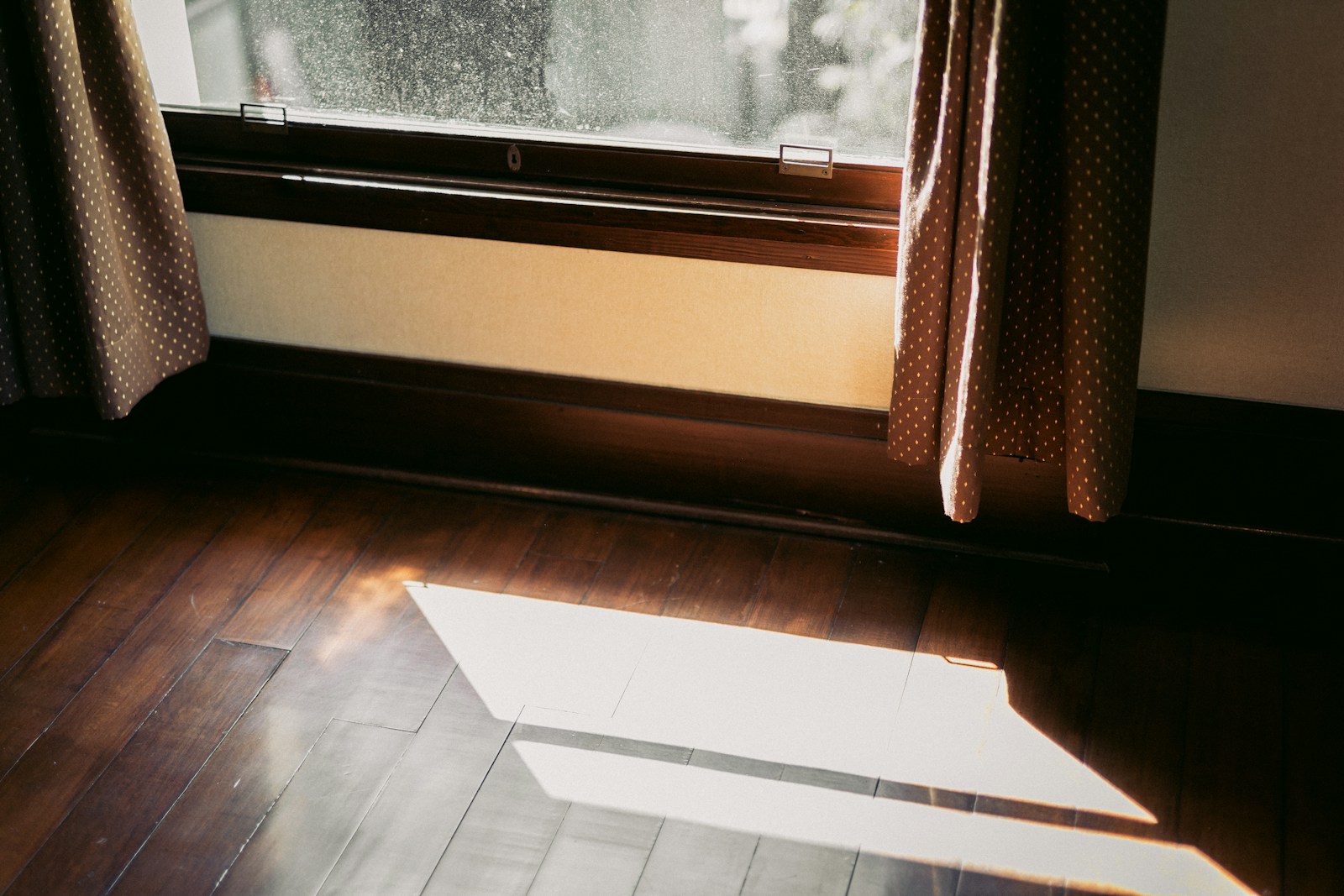
Oak, walnut, maple, and light natural wood finishes can make rooms feel warmer and more inviting.
Rather than choosing an extremely trendy stain, many homeowners are opting for flooring that allows the natural characteristics of the wood to remain visible.
Popular color directions include:
- Natural oak
- Warm honey
- Medium brown
- Walnut
- Light ash
Natural wood tones are also relatively versatile, making them easier to coordinate with furniture and décor changes over time.
4. Textured Flooring
Smooth flooring isn't the only option anymore.
Textured finishes can give floors more character and can also make everyday wear less noticeable.
For hardwood, popular texture options include:
- Wire-brushed
- Hand-scraped
- Distressed
- Natural-grain finishes
These finishes can create a more relaxed, lived-in appearance.
Textured flooring can be particularly attractive for busy households where minor scratches and imperfections are unavoidable.
5. Large-Format Tiles and Wide Planks
Larger flooring formats can create a cleaner and more spacious appearance.
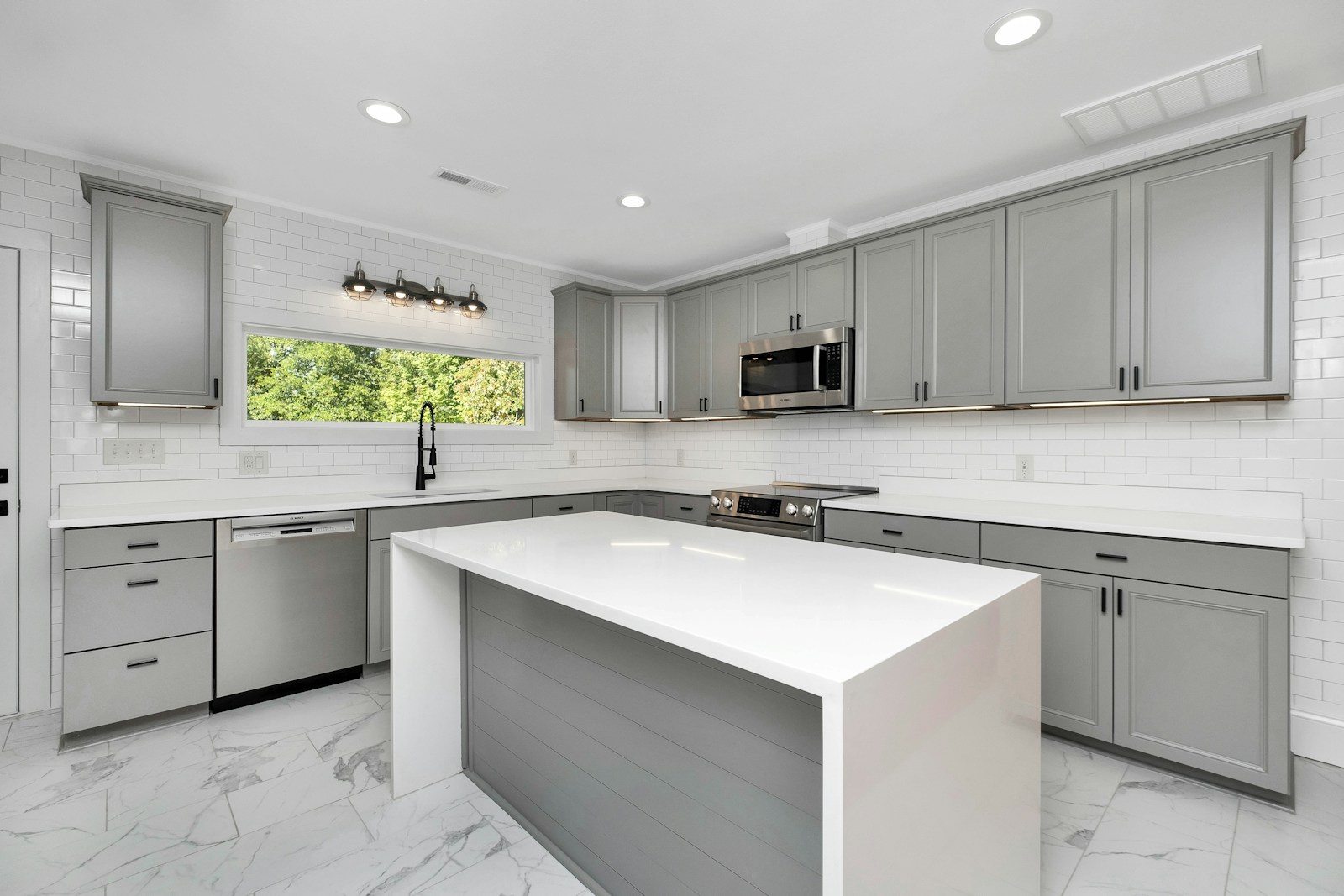
Large-format tile reduces the number of visible grout lines, while wider wood or wood-look planks can create a more continuous visual effect.
These formats can work especially well in:
- Open-concept living areas
- Large kitchens
- Modern homes
- Entryways
- Large bathrooms
Before selecting large-format materials, however, make sure your installer evaluates the room and subfloor. Larger materials can have specific installation requirements.
6. Bold Carpet Patterns
Carpet is also finding its place in modern interior design.
Instead of relying exclusively on traditional neutral carpet, homeowners may use patterns, textures, and richer colors to make carpet an intentional design element.
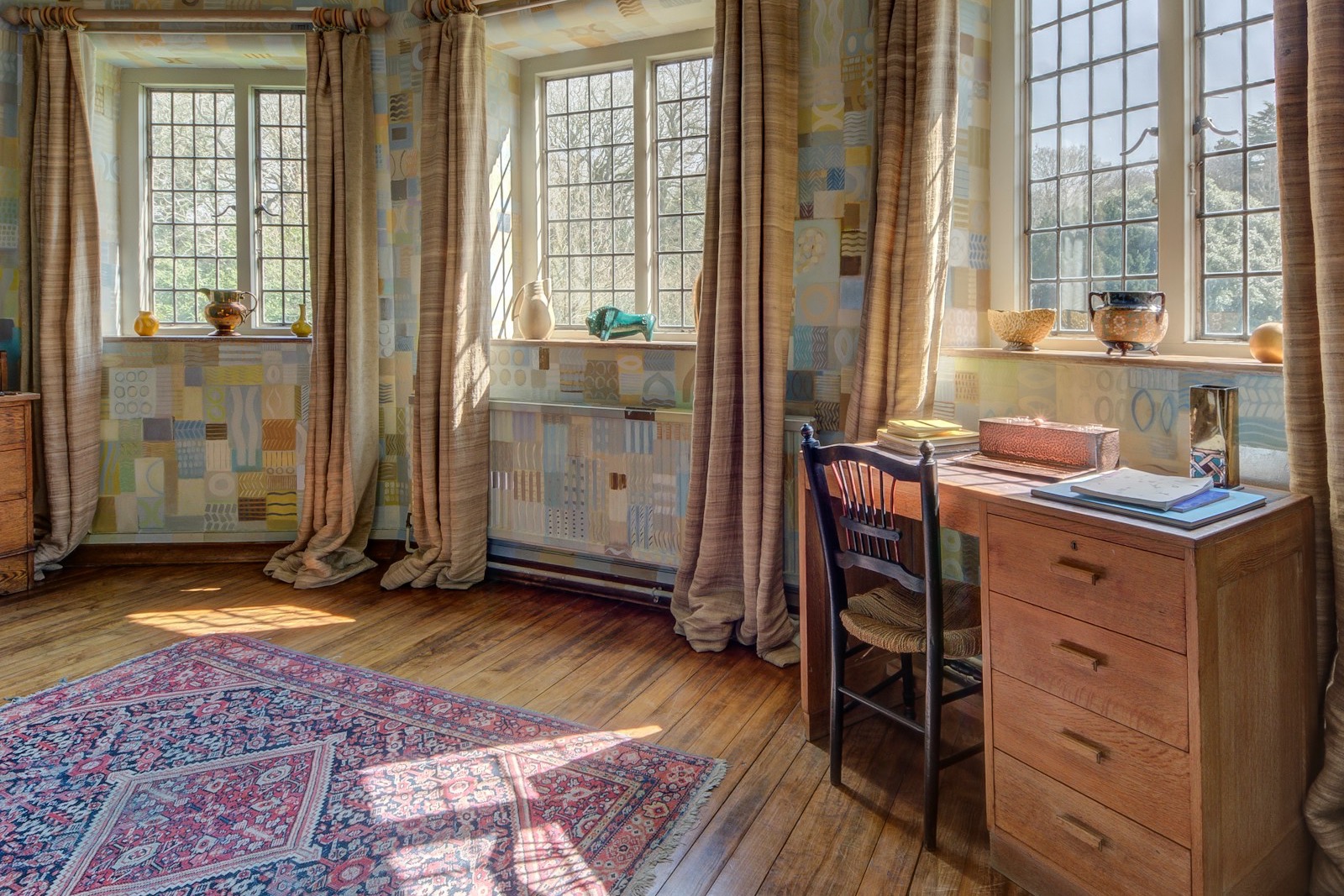
Carpet can provide benefits beyond appearance.
It can:
- Add warmth
- Reduce noise
- Provide a softer surface
- Make bedrooms more comfortable
- Add visual personality
It can be particularly useful in bedrooms, family rooms, and upper-level spaces where comfort and sound absorption are important.
7. Waterproof Flooring
Waterproof flooring continues to be an important consideration for homeowners.
Spills, pets, children, and everyday household accidents make water resistance valuable in many homes.
Depending on the product, homeowners may consider:
- Waterproof LVP
- Waterproof laminate
- Porcelain tile
- Certain engineered flooring products
The term "waterproof" should always be evaluated according to the manufacturer's specifications. Installation quality also matters, particularly around seams, transitions, walls, and other areas where water could potentially reach the subfloor.
8. Terrazzo Makes a Statement
Terrazzo brings together chips of materials such as marble, stone, glass, or other aggregates within a binder to create its distinctive speckled appearance.
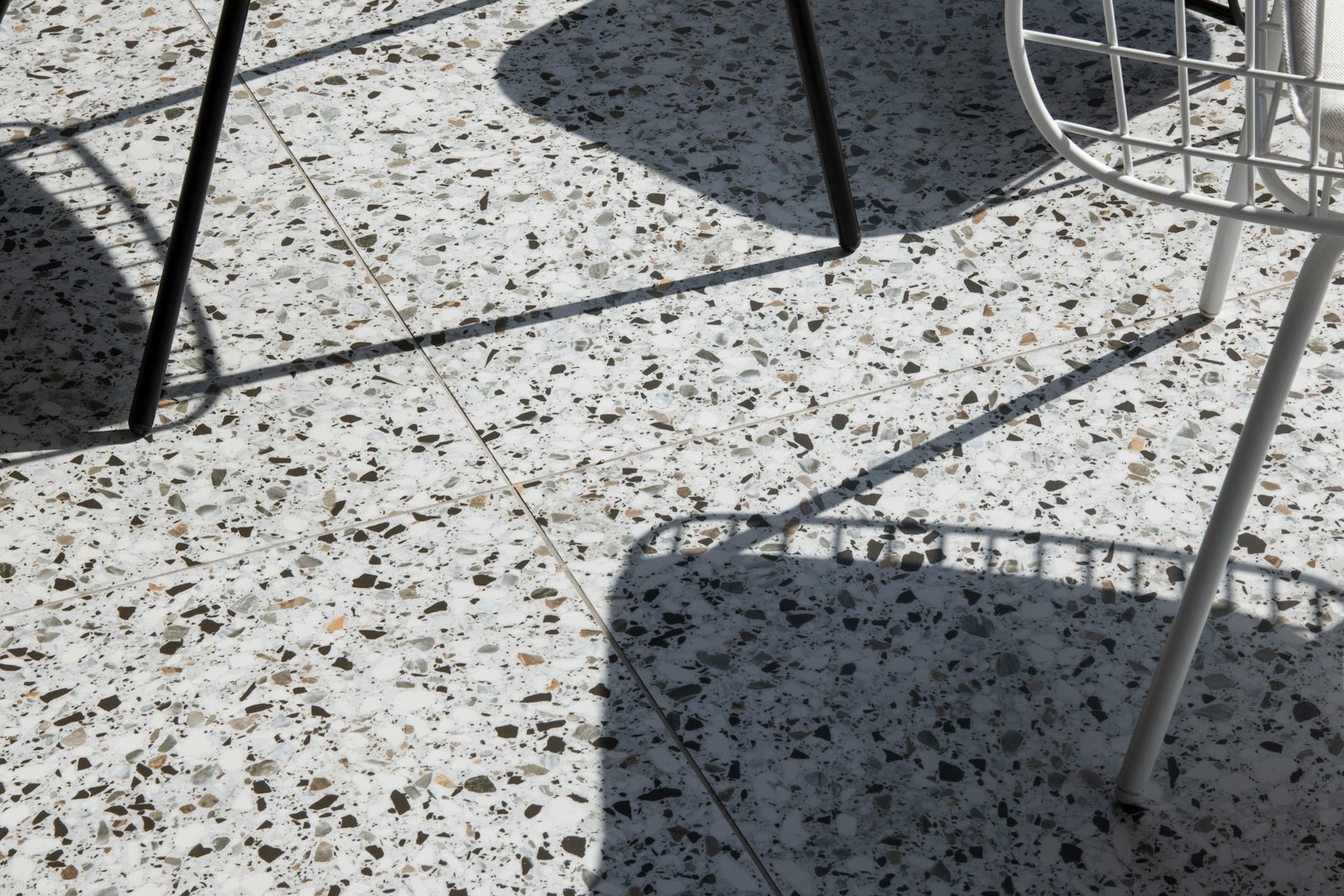
Its combination of retro character and modern design makes it an interesting choice for homeowners who want something different from traditional wood-look flooring.
Terrazzo can be used to create a strong visual statement without relying on complicated patterns.
It can work particularly well in:
- Entryways
- Kitchens
- Bathrooms
- Commercial-inspired interiors
- Contemporary homes
9. Dark and Dramatic Floors
For homeowners looking to create contrast, dark flooring can make a powerful statement.
Deep brown, charcoal, and nearly black flooring can create a sophisticated appearance when paired with lighter walls and furniture.
However, dark floors require some consideration.
Dust, pet hair, footprints, and scratches may be more visible on very dark surfaces.
If you love the dramatic appearance but want something easier to maintain, consider a slightly textured or varied finish instead of an extremely glossy, uniform surface.
10. Mixing Flooring Materials
One of the more creative flooring approaches for 2026 is combining different materials within a home.
For example, homeowners might transition between:
- Wood and tile
- Hardwood and stone
- LVP and tile
- Carpet and hard flooring
Different flooring materials can help visually define spaces without requiring walls or other physical barriers.
A kitchen might use tile while an adjoining living room uses wood. An entryway could use durable tile before transitioning into hardwood or LVP.
The key is making sure the colors, textures, heights, and transition points work together.
How to Choose a Flooring Trend That Won't Look Dated
Following a trend doesn't mean you have to choose something that will look outdated in a few years.
A good strategy is to use trends selectively.
For example, instead of choosing an extremely unusual floor throughout your entire home, you could use:
- Natural wood flooring as the primary material
- A textured finish for added character
- Large-format tile in the bathroom
- A bold carpet in a bedroom
- A terrazzo accent in an entryway
This approach lets you incorporate current design ideas while maintaining a timeless foundation.
Don't Choose Flooring Based on Appearance Alone
The most attractive flooring isn't necessarily the best flooring for your home.
Before making a decision, consider:
Moisture
Is the room exposed to water, humidity, or frequent spills?
Traffic
Will the floor experience heavy foot traffic, pets, children, or frequent furniture movement?
Maintenance
How much cleaning and maintenance are you willing to perform?
Durability
How long do you expect the floor to last?
Installation
Does the material require professional installation or specialized preparation?
Budget
Remember to include installation, subfloor preparation, removal of existing flooring, transitions, trim, and disposal when calculating your total project cost.
Should You Hire a Professional Flooring Installer?
Some flooring projects are suitable for experienced DIY homeowners, but professional installation can make a significant difference for larger or more complicated projects.
You may want professional help when:
- The subfloor needs repair or leveling.
- Existing flooring needs to be removed.
- Tile installation is involved.
- The room has complicated angles.
- Multiple flooring materials need to meet.
- Large-format materials require precise installation.
- You don't have the necessary tools.
- You want the project completed efficiently.
A professional can also help evaluate the space before you purchase materials, potentially preventing costly mistakes.
Final Thoughts
Flooring trends for 2026 range from sustainable materials and warm natural wood to waterproof LVP, textured finishes, large-format tile, bold carpet, terrazzo, and dramatic dark floors.
But the best flooring trend is ultimately the one that works for your home.
Consider the room, moisture level, traffic, maintenance requirements, budget, and expected lifespan before making your decision.
And if you're ready to turn your flooring idea into a finished project, Contractors2Hire can help you connect with local handymen and contractors for home improvement work.
Explore local professionals and find the right contractor for your flooring project.