Choosing new flooring is one of the biggest decisions you can make during a home renovation. Flooring affects the appearance of a room, how comfortable it feels, how much maintenance it requires, and how well it handles everyday wear.
With so many options available in 2026—including hardwood, engineered wood, luxury vinyl plank, laminate, porcelain tile, natural stone, and carpet—it can be difficult to know which flooring is right for your home.
The best choice isn't necessarily the most expensive flooring. It depends on the room, your lifestyle, your budget, moisture exposure, maintenance expectations, and the look you want to achieve.
Here's a practical guide to the most popular flooring choices and the mistakes homeowners should avoid.
1. Hardwood Flooring
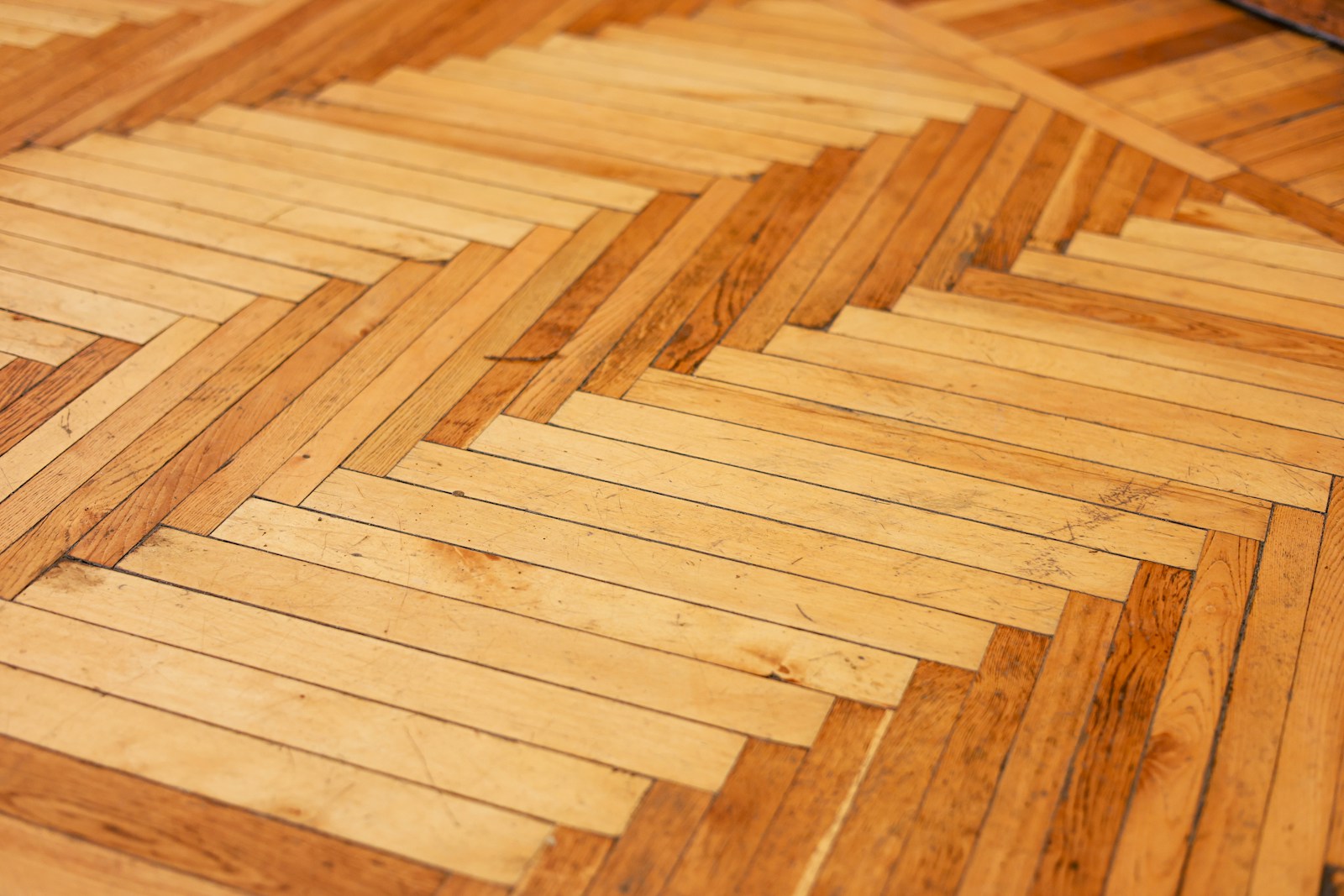
Hardwood remains one of the most established flooring choices for homeowners who want a natural and timeless appearance.
Common hardwood species include:
- Oak
- Maple
- Walnut
- Ash
- Hickory
Advantages of hardwood
Hardwood offers a natural appearance that can work with many different interior styles. It can also be refinished, allowing homeowners to restore the surface instead of completely replacing the floor when it becomes worn.
Other advantages include:
- Long potential lifespan
- Natural appearance
- Ability to refinish
- Wide variety of colors and finishes
- Strong appeal for many homeowners
Disadvantages
Hardwood isn't ideal for every room.
Moisture can damage wood flooring, and scratches or dents can occur from pets, furniture, and heavy foot traffic.
Hardwood also tends to cost more than many alternative flooring materials.
Best for: Living rooms, dining rooms, bedrooms, hallways, and other relatively dry areas.
2. Engineered Wood Flooring
Engineered wood provides the appearance of real hardwood while using a layered construction.
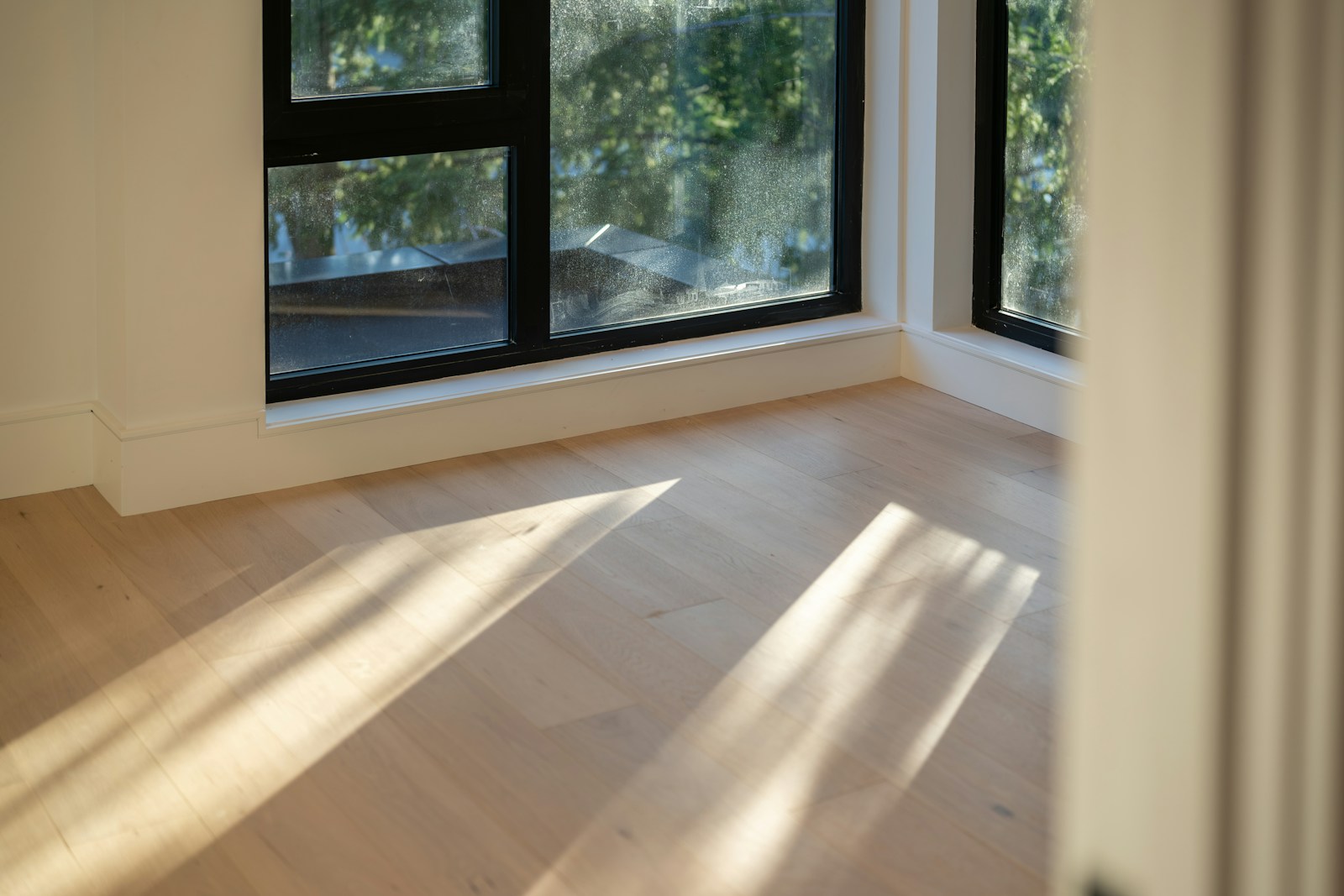
Unlike solid hardwood, engineered wood typically consists of a real wood surface layer attached to a more dimensionally stable core.
This construction can make engineered wood a practical choice in areas where traditional solid hardwood may be more challenging.
Advantages
- Real wood appearance
- Available in many finishes and species
- More dimensionally stable than solid wood
- Can be suitable for some lower-level applications
- Some products can be refinished
Disadvantages
The ability to refinish engineered flooring depends on the thickness of its real-wood wear layer. Some products can be refinished multiple times, while thinner products may have limited refinishing potential.
Engineered wood can also be relatively expensive compared with laminate or vinyl.
Best for: Homeowners who want the appearance of hardwood with greater flexibility in where it can be installed.
3. Luxury Vinyl Plank (LVP)
Luxury vinyl plank has become a popular alternative to traditional wood flooring.
Modern LVP can replicate the appearance of wood surprisingly well, with printed patterns, textured surfaces, and different plank styles.
One of its biggest advantages is moisture resistance. Many LVP products are waterproof, although homeowners should always check the specific manufacturer's specifications.
Advantages
- Water-resistant or waterproof options
- Easy maintenance
- Large selection of styles
- Comfortable compared with some hard flooring
- Generally less expensive than hardwood
- Suitable for many high-traffic areas
Disadvantages
LVP cannot be sanded and refinished like solid hardwood.
Quality also varies considerably between products. A very inexpensive vinyl plank may look and perform differently from a premium product.
Heavy furniture and sharp objects can also damage vinyl flooring.
Best for: Kitchens, bathrooms, basements, laundry rooms, and busy households.
4. Laminate Flooring
Laminate flooring offers another way to achieve the appearance of wood or other materials without the price of some natural flooring products.
It typically consists of multiple layers, including a decorative image layer and a protective wear layer over a composite core.
Advantages
- Generally budget-friendly
- Many styles and colors
- Good scratch resistance in many products
- Easy to maintain
- Wood-look options are widely available
Disadvantages
Traditional laminate is more vulnerable to moisture than waterproof flooring products.
Water that penetrates joints or edges can cause some laminate products to swell or deteriorate.
Water-resistant laminate products have improved, but homeowners should carefully review the manufacturer's specifications before installing laminate in moisture-prone areas.
Best for: Bedrooms, living rooms, hallways, and other relatively dry areas.
5. Porcelain and Ceramic Tile
Tile remains one of the most practical flooring choices for areas exposed to water and heavy wear.
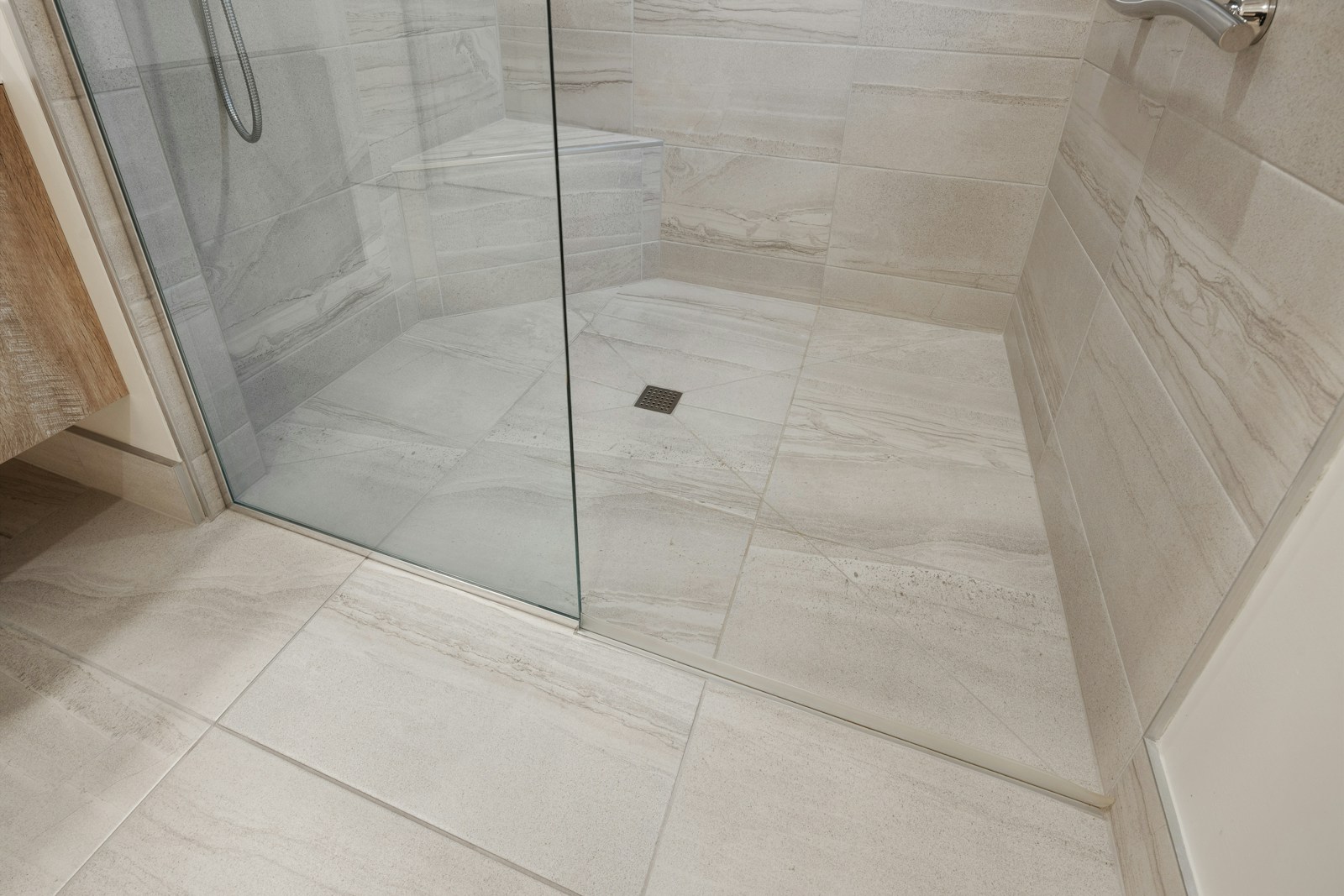
Porcelain tile is particularly dense and resistant to moisture, making it popular for kitchens, bathrooms, entryways, and other demanding areas.
Ceramic tile provides a huge range of colors, patterns, shapes, and finishes.
Advantages
- Highly durable
- Moisture resistant
- Many design options
- Easy to clean
- Excellent for kitchens and bathrooms
Disadvantages
Tile can feel hard and cold underfoot.
Installation can also be more labor-intensive than some floating flooring systems. The quality of the installation and the condition of the subfloor can significantly affect the final result.
Best for: Bathrooms, kitchens, entryways, laundry rooms, and high-traffic areas.
6. Natural Stone Flooring
Natural stone offers a look that manufactured flooring cannot perfectly reproduce.
Popular options include:
- Limestone
- Slate
- Travertine
- Marble
- Flagstone
- Granite
Each piece can have variations in color, texture, and pattern.
Advantages
- Unique natural appearance
- Excellent durability when properly installed and maintained
- Long-lasting
- Can add architectural character to a home
Disadvantages
Natural stone can be expensive to purchase and install.
Some stone surfaces are porous and require sealing. Maintenance requirements vary depending on the type of stone and its finish.
Stone can also be hard and cold underfoot.
Best for: Entryways, kitchens, bathrooms, patios, and homeowners looking for a premium natural appearance.
Flooring Mistakes Homeowners Should Avoid
Choosing the right material is only half the job. Many flooring problems happen because homeowners select flooring based solely on appearance.
Mistake #1: Choosing Flooring Without Considering Moisture
A beautiful floor isn't necessarily appropriate for every room.
Before choosing a material, consider whether the room regularly experiences:
- Water
- Humidity
- Spills
- Condensation
- Moisture from below
Bathrooms, kitchens, laundry rooms, and basements require more careful flooring selection than dry living spaces.
Mistake #2: Choosing a Trend Instead of a Long-Term Style
Flooring is expensive and disruptive to replace.
A style that looks fashionable today may feel dated several years from now.
If you expect to keep the flooring for many years, consider choosing natural colors and designs that complement your furniture rather than selecting something solely because it is currently trending.
Mistake #3: Ignoring Maintenance Requirements
Different floors require different levels of maintenance.
Before purchasing flooring, ask:
- How often does it need cleaning?
- Does it need sealing?
- Can it be refinished?
- How easily does it scratch?
- How does it react to water?
- Can damaged sections be repaired?
The cheapest flooring isn't necessarily the cheapest option over its entire lifespan.
Mistake #4: Choosing High-Gloss Flooring for High-Traffic Areas
Highly polished surfaces can look attractive when they're clean, but they may make scratches, water spots, dirt, and footprints more visible.
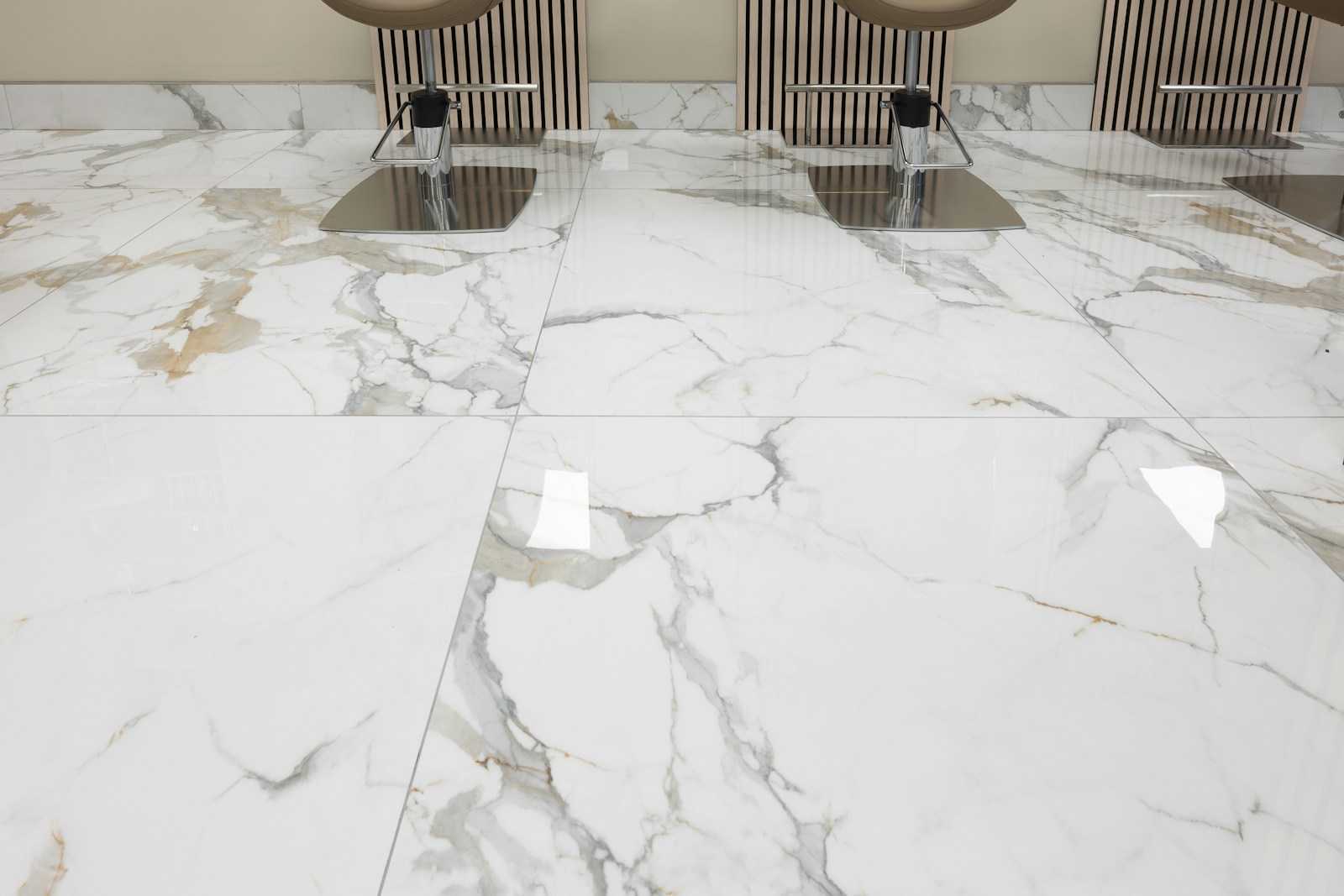
For busy households, matte or textured finishes can sometimes be more forgiving.
Mistake #5: Ignoring the Subfloor
Even premium flooring can perform poorly if installed over an unsuitable or uneven subfloor.
Before installation, the subfloor may need to be:
- Cleaned
- Leveled
- Repaired
- Dried
- Properly prepared
Skipping subfloor preparation can result in uneven flooring, movement, squeaking, or premature failure.
What Flooring Is Best for Different Rooms?
There isn't one flooring material that is perfect for every room.
| Room | Flooring Options to Consider |
|---|---|
| Living room | Hardwood, engineered wood, LVP, laminate |
| Bedroom | Hardwood, engineered wood, LVP, laminate, carpet |
| Kitchen | LVP, porcelain tile, ceramic tile, engineered wood |
| Bathroom | Porcelain tile, ceramic tile, waterproof LVP |
| Basement | LVP, tile, other moisture-appropriate flooring |
| Entryway | Tile, porcelain, LVP |
| Children's room | LVP, laminate, carpet |
| High-traffic hallway | Hardwood, LVP, laminate, tile |
The exact choice depends on your home's conditions, installation requirements, and personal preferences.
How to Choose the Right Flooring for Your Home
Before buying anything, evaluate five factors:
1. Room
Where will the flooring be installed?
2. Moisture
Will the floor regularly be exposed to water or humidity?
3. Traffic
How many people, pets, or heavy objects will use the space?
4. Maintenance
How much time are you willing to spend cleaning and maintaining the floor?
5. Budget
Don't forget to consider both the material and installation costs.
A flooring quote should account for more than the price per square foot. You may also need to budget for subfloor preparation, removal of existing flooring, transitions, underlayment, trim, disposal, and installation labor.
Should You Install Flooring Yourself or Hire a Professional?
Some flooring projects are suitable for experienced DIY homeowners, particularly certain floating-floor installations.
However, professional installation can be valuable for larger or more complicated projects.
Consider hiring a flooring professional or handyman when:
- The project covers multiple rooms.
- The subfloor requires preparation.
- Existing flooring needs to be removed.
- Tile needs to be installed.
- Precise cuts are required.
- The room has unusual angles or transitions.
- You don't have the necessary tools.
- You want the job completed efficiently.
Professional installation can also help avoid expensive mistakes caused by improper preparation or installation.
Final Thoughts
The best flooring for your home in 2026 isn't necessarily the most expensive or fashionable option.
Hardwood and engineered wood offer natural beauty. LVP provides practicality and moisture resistance. Laminate can deliver an attractive look at a lower price point. Tile and natural stone provide durability for demanding spaces.
The key is matching the flooring to the room, your lifestyle, your budget, and your expectations for maintenance and longevity.
And if the installation looks more complicated than you expected, you don't have to do it alone.
Need help with your flooring project? Find local handymen and contractors through Contractors2Hire and get your home improvement project moving.