Flat-pack furniture is affordable, convenient, and available in almost every furniture store today. But getting it home and putting it together can be more challenging than it looks.
Large boxes can be surprisingly heavy, furniture panels can be awkward to handle, and a small assembly mistake can leave you with a wobbly bookcase or a drawer that doesn't fit correctly.
The good news is that a little preparation can make flat-pack furniture assembly much easier.
Here are 10 practical tips to help you buy, transport, unpack, and assemble flat-pack furniture successfully.
1. Check the Weight Before You Buy
Flat-pack furniture may look manageable while sitting on a store shelf, but some packages are extremely heavy.
Large wardrobes, cabinets, bookcases, and other furniture can weigh well over 100 pounds. Once the furniture is packed inside a smooth cardboard box, it can also be difficult to grip and carry.
Before purchasing a large item, check its packaged weight.
If it's too heavy for one person, plan to have another person help you move it. Trying to carry heavy furniture alone can result in injuries or damage to the furniture.
Tip: If you're buying several large pieces at once, plan how you're going to move everything before you leave the store.
2. Consider Furniture Delivery
Weight isn't the only challenge. Flat-pack furniture can also be long and bulky.
A package that looks reasonably sized in the store may be difficult to fit into a car once you account for its length and shape.
If you're purchasing several pieces, furniture delivery can be a worthwhile option.
Delivery can save you from:
- Trying to fit oversized boxes into your vehicle
- Making multiple trips
- Lifting heavy packages unnecessarily
- Damaging boxes during transportation
It also means the furniture arrives directly at your home, where you can prepare your workspace before beginning assembly.
3. Give Yourself Enough Time
Don't underestimate how long flat-pack furniture assembly can take.
Even a relatively simple bookcase can take an hour or more when assembled carefully. Larger wardrobes, beds, desks, cabinets, and storage systems can take considerably longer.
Before starting, look at the manufacturer's estimated assembly time and add some extra time for preparation and cleanup.
Trying to rush through the project can lead to:
- Missing hardware
- Incorrectly installed parts
- Misaligned panels
- Overtightened screws
- Having to disassemble and rebuild sections
If you're short on time, hiring a furniture assembly handyman may be a better option.
4. Open the Packaging Carefully
Be careful when opening flat-pack furniture boxes.
It can be tempting to grab a utility knife and cut through the cardboard quickly. However, the furniture panels are often directly underneath the packaging.
A blade that goes too deep can scratch or cut a panel before you've even started assembling the furniture.
Instead, open the packaging carefully and keep the blade shallow. Take your time around the edges and seams.
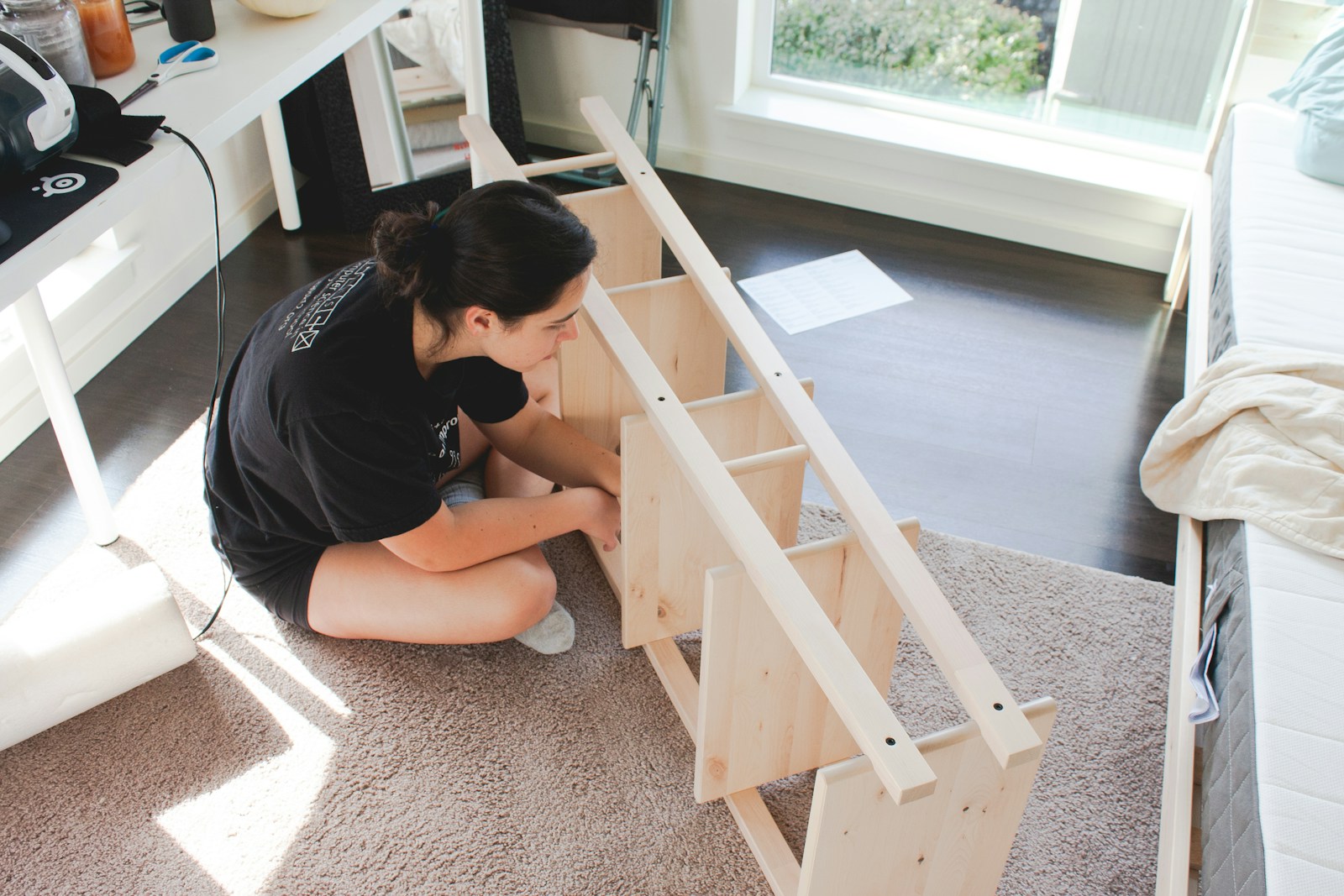
5. Assemble the Furniture on a Protected Surface
Your furniture isn't the only thing that can get damaged during assembly. Your floor can also be scratched.
Furniture panels and hardware can move around while you're working, and assembling directly on hardwood, tile, or another hard surface can create scratches.
Use the cardboard packaging as a temporary protective work surface.
Carpet can also provide some protection, although you should still be careful about screws and other small hardware.
Protecting the furniture and the floor from the beginning is much easier than trying to repair scratches later.
6. Lay Out Every Part Before You Begin
One of the most useful flat-pack assembly habits is organizing the parts before starting.
Many furniture panels look almost identical. However, small differences in:
- Pre-drilled holes
- Grooves
- Channels
- Edges
- Hardware locations
can determine which way a component needs to be installed.
Follow the diagrams in the instructions and lay the parts out in the same orientation shown in the manual.
This may take a few extra minutes, but it can save a significant amount of time later.
7. Understand Cam Locks and Dowels
Cam locks and wooden dowels are common in flat-pack furniture.
A wooden dowel is typically inserted into one panel, while the corresponding component connects to it. The cam lock then secures the connection and pulls the two panels together.
These components need to be installed correctly.
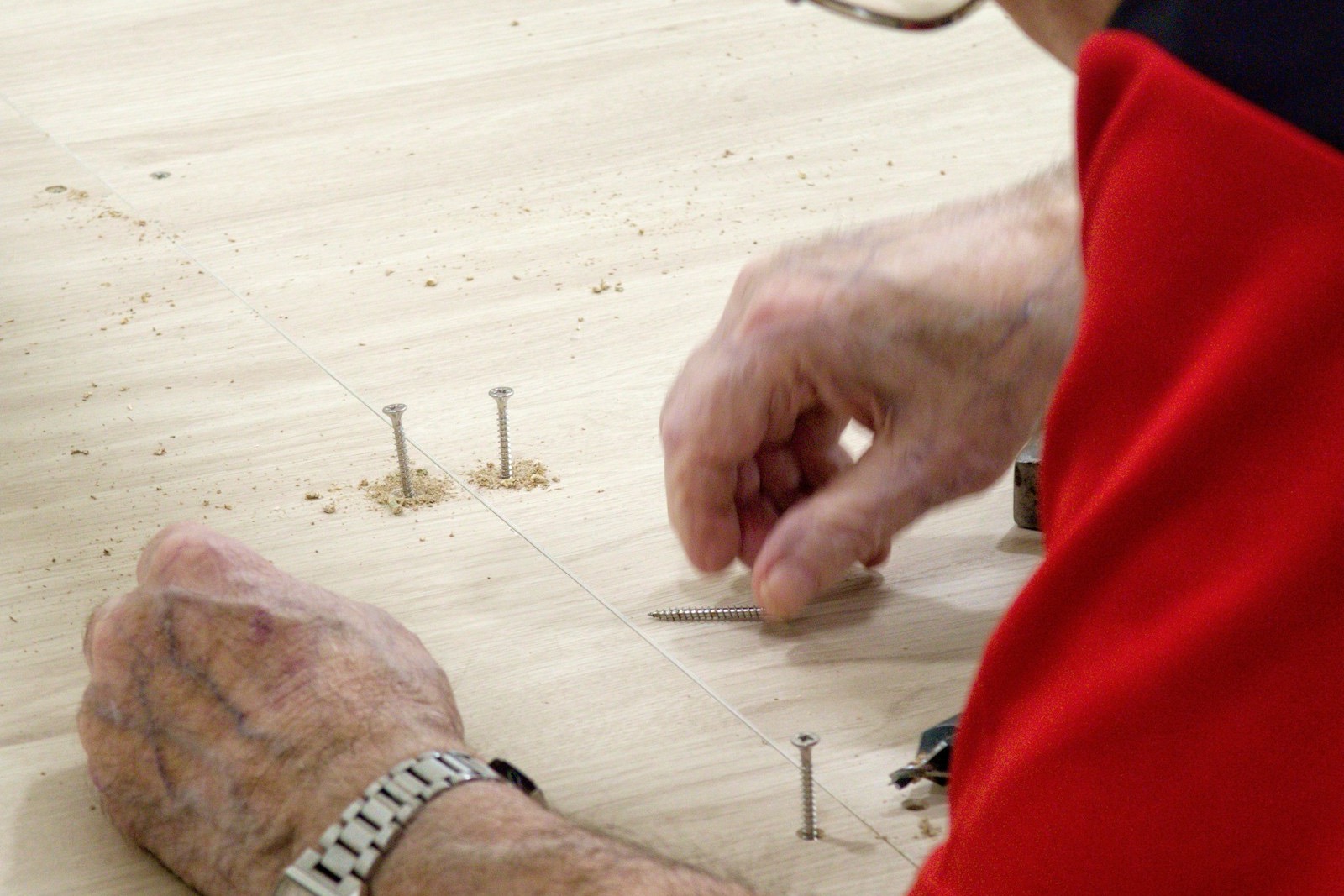
Avoid overtightening dowels or other hardware. Excessive force can damage the threads or the furniture material.
If you're using a drill or screwdriver, use a low setting and work carefully.
An impact driver is generally a poor choice for this type of assembly because it can apply too much force too quickly.
8. Use Wood Glue Where Appropriate
If the furniture design allows it, wood glue can sometimes provide additional stability to dowel joints.
However, don't automatically glue every connection.
Some furniture may need to be disassembled later, and certain joints are designed to remain removable.
If you decide to use glue, use an appropriate wood adhesive and apply it carefully to the joint rather than flooding the connection.
Always consider the manufacturer's instructions before making permanent modifications.
9. Anchor Tall Furniture to the Wall
This is one of the most important safety tips.
Tall furniture such as:
- Bookcases
- Wardrobes
- Storage cabinets
- Entertainment centers
- Tall shelving units
can tip forward if they aren't properly secured.
Once the furniture is assembled and positioned, follow the manufacturer's instructions for securing it to the wall.
Wall anchoring is especially important in homes with children or pets.
Don't assume that a heavy piece of furniture is automatically safe. Its center of gravity can change significantly when shelves and drawers are loaded.
10. Don't Be Afraid to Reinforce Weak Components
Flat-pack furniture is designed to provide a balance between cost, appearance, and functionality. However, certain components may benefit from additional reinforcement depending on how the furniture will be used.
For example, heavily loaded drawers can place significant stress on thin drawer bottoms.
Additional supports or reinforcement may help prevent sagging or separation.
If you're modifying the furniture, make sure the reinforcement doesn't interfere with moving parts or compromise the manufacturer's design.
For valuable, heavy, or structurally important furniture, consider having a professional handyman evaluate the modification before making permanent changes.
Bonus Tip: Know When to Hire a Professional
Flat-pack furniture assembly is a great DIY project when you have the time, tools, and patience.
But some projects are simply easier with professional help.
Consider hiring a handyman if:
- The furniture is very large or heavy.
- You're assembling multiple pieces.
- The instructions are complicated.
- You don't have the necessary tools.
- The furniture needs wall anchoring.
- You don't have enough time.
- You want to avoid the risk of damaging expensive furniture.
- The furniture needs to be assembled in a tight or difficult location.
A professional furniture assembler can often complete the project efficiently while helping you avoid common assembly mistakes.
Flat-Pack Furniture Assembly Checklist
Before you start, make sure you have:
- ☐ Enough workspace
- ☐ Appropriate tools
- ☐ The complete instruction manual
- ☐ All furniture components
- ☐ All screws and hardware
- ☐ A protected floor surface
- ☐ Enough time to complete the project
- ☐ Help for heavy lifting
- ☐ Appropriate wall-anchoring hardware
Final Thoughts
Flat-pack furniture doesn't have to be frustrating.
The key is to prepare before you start. Check the weight, plan transportation, protect your floor, organize the components, carefully follow the instructions, and don't rush the assembly process.
For large or complicated projects, professional furniture assembly can also save you time and reduce the risk of damage.
If you need help assembling flat-pack furniture, Contractors2Hire can help you find local handymen and contractors for your project.